Unveiling Australia's hidden history
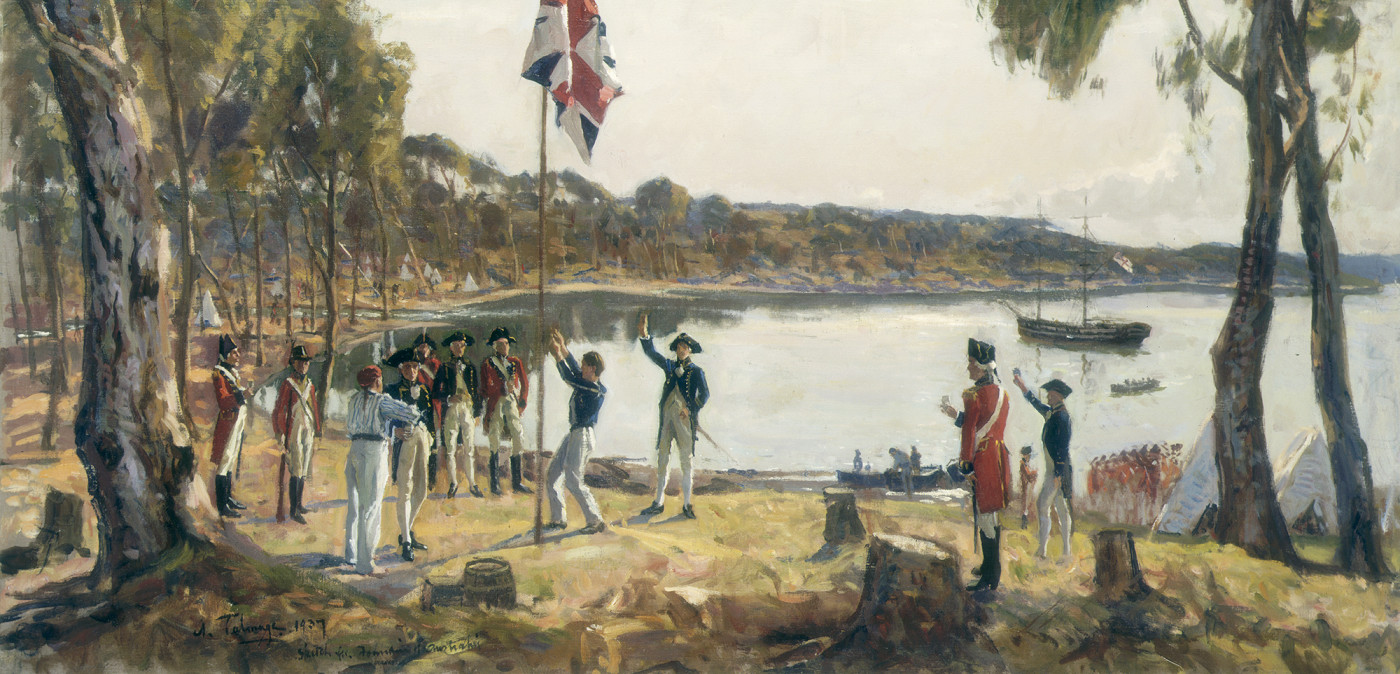
Andrew Bovell’s dramatical adaptation highlights Australia’s undocumented past successfully constructing the complex relationship between the aboriginal Dharug and the British colonisers. Provoking the audience into an insightful emotional reflection of Australia’s early colonial settlement.
A brief background to the Novel
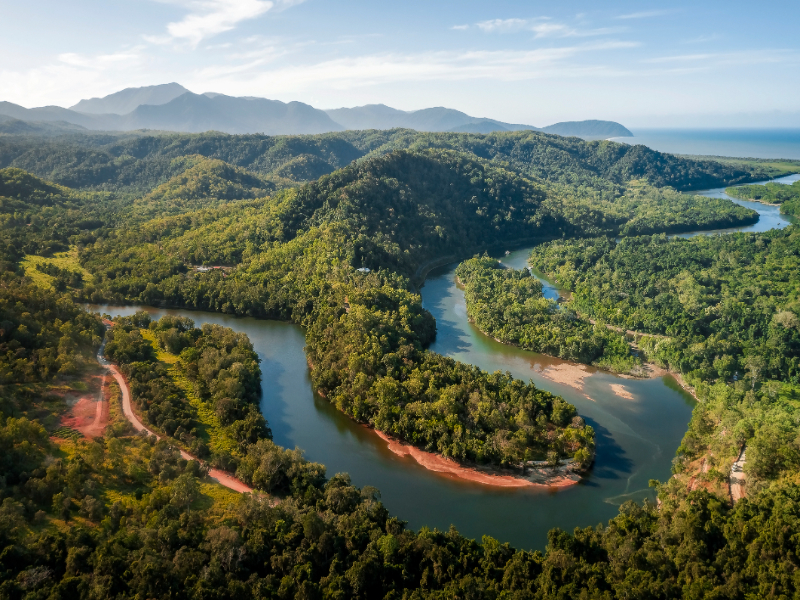
Bovell’s adaptation of Kate Grenville’s novel first performed in 2013 (a time where reconciliation and Indigenous recognition was at its peak) explores early British settlement on the Hawkesbury River, and the hardships of the early colonial life.
What we'll explore in this article
This article explores colonial myths and the common belief that aboriginals were uncivil and had no moral values. we will reveal how Bovell shifts the audience’s perspective on the Indigenous Australian way of life presenting the genuine aboriginal culture and history. We will explore how Bovell Analyses juxtaposing perspectives on land and ownership reflecting contrasting perspectives between English colonial view of land indicating status, class, and ownership and the Dharugs perspective that no one owns land, and it is a place that is to be shared and cared for. Furthermore, we will analyse and investigate the frontier violence that occurred between the local Dharug peoples, and the invading British colonialists unveiling the breakdown in communication and contrasting cultural and moral views.
Civil vs Uncivil
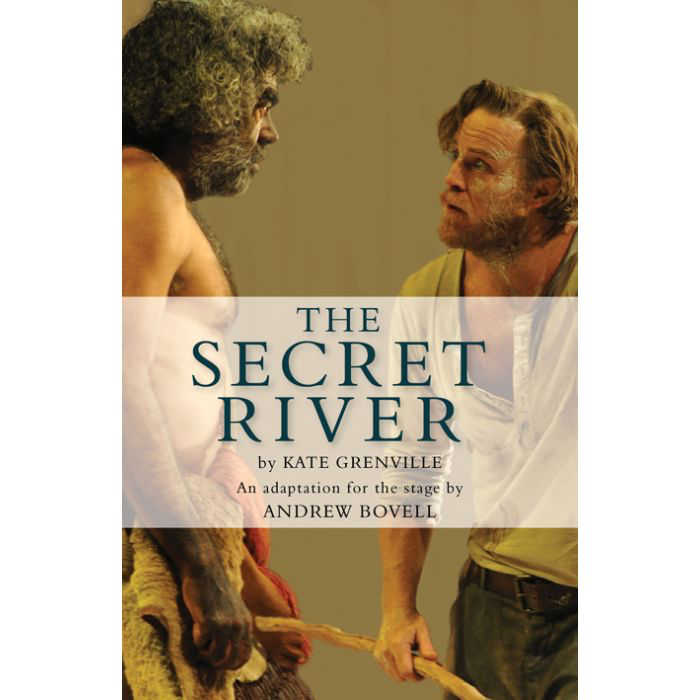
Throughout The Secret River, the aboriginal people are seen as uncivil and inhuman, by the colonists but Bovell later portrays the genuine indigenous culture and customs shifting the audiences view and igniting reflection. In the early stages of the secret river Bovell successfully conveys the Thornhills mistaken colonial view through stage directions
‘Thornhill approaches, speaking as he would to a pack of wary dogs.’
Bovell utilises derogatory language illustrating the common but mistaken colonial view that aboriginals were uncivil and often diminished and compared to animals. Bovell further constructs this common myth when willie says
“Might they be watching us da? Waiting like. Savages.”
Bovell conveys the common systematic view of the indigenous Australia’s. The use of the similie 'like savages' strips the Dharug of their humanity and reduces them. But towards the end of the play Bovell successfully shifts the audience’s perspective on the Dharug people when Sal said,
“They were…Like you and me was in London. Just the exact same way.”
Using humanising parallelism Bovell highlights the direct moment of recognition, portraying that despite the cultural differences the human troubles, and social structures are largely identical to the ones left behind in England. Thus, Bovell effectively ridicules the common but systematic myth that indigenous Australia’s were uncivil and inhumane, effectively shifting the audience’s perspective and inviting insightful reflection.
Is A Fence All You Need?
Land and ownership
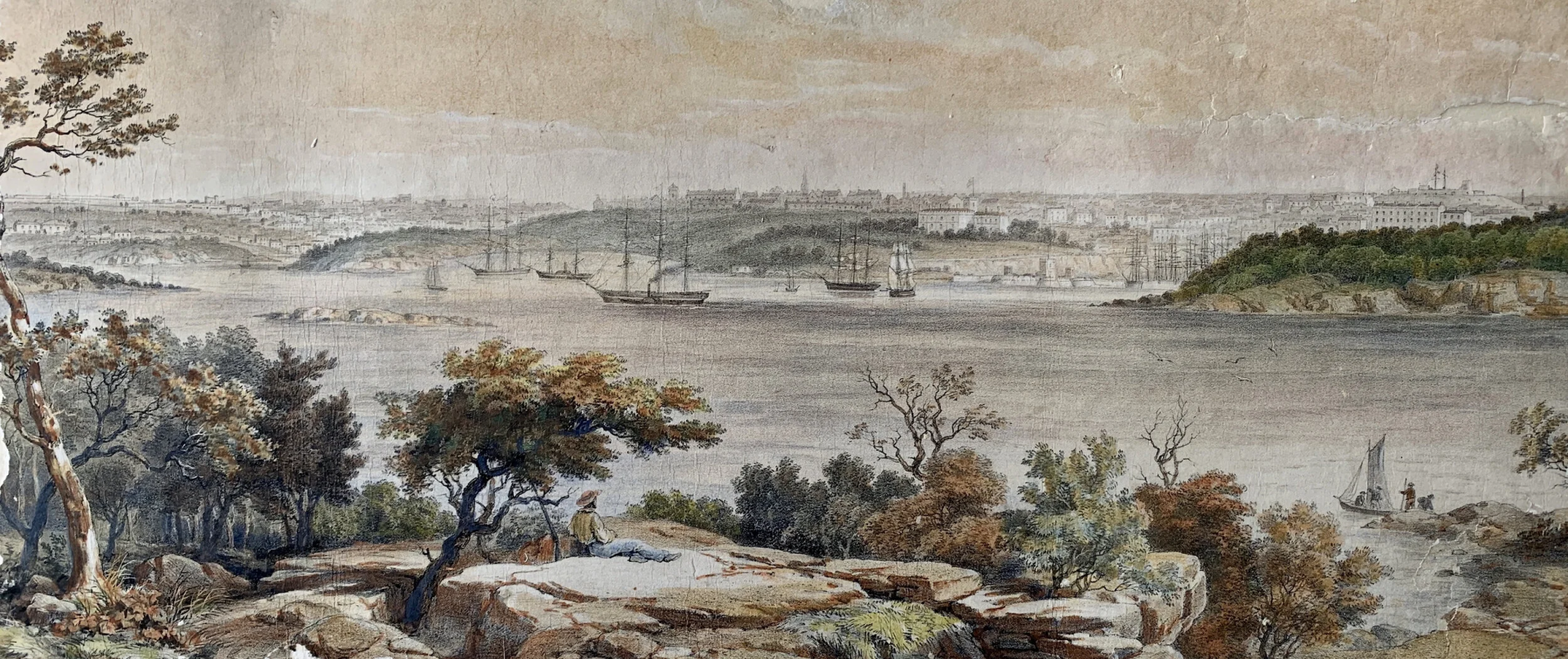
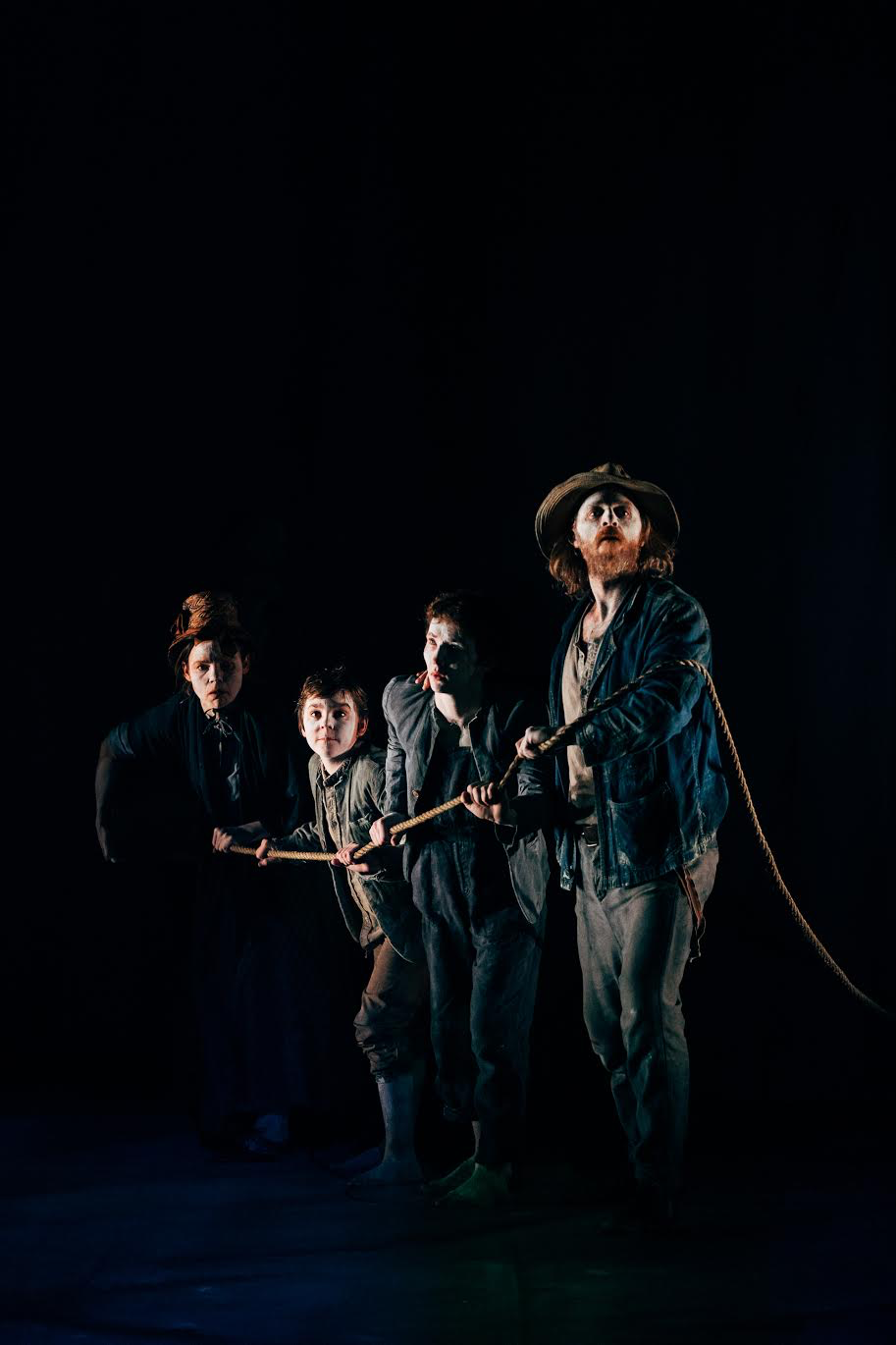
Bovell effectively represents the juxtaposing opinions on land and ownership conveying the conflicting views between the Dharug and Thornhills. In the early stages of The Secret River Bovell effectively represents the colonial view on Land and the ownership of it when Thornhill said
“They’re not like us. They keep moving. They don’t dig down in place. they just move across it. Put up a decent fence and they’ll get the idea.”
Bovell portrays the English colonial view of Land and ownership through the symbolism of the “decent Fence” representing English ideas of private property, division, and place that is meant for farming and the creation of wealth. But Bovell juxtaposes this with the Indigenous Australians view of land and ownership when Ngyina says
“This is our place…. the river and beyond those ridges. We look after these places.”
Utilising geographical imagery, Bovell presents the Dharugs special communal connection to the land, highlighting the Indigenous view that land was a place to be cared for and nurtured rather than an individual plot of land privately owned and exploited for personal wealth. Bovell further presents the aboriginals view of land when Yalamundi says
“We come here for those. You take some leave the rest for us”
Using repetition of the idea of taking some and leaving some Bovell further exposes the aboriginal view that land is something that is to be shared and cared for rather than an individual owning a plot of earth with private boundaries and fences. Therefore, Bovell presents the juxtaposing opinions between the Dharug and the Thornhills, provoking emotional reflection on topics such as dispossession, colonialism, and the misunderstood aboriginal peoples.
The Hawkesbury's violent past
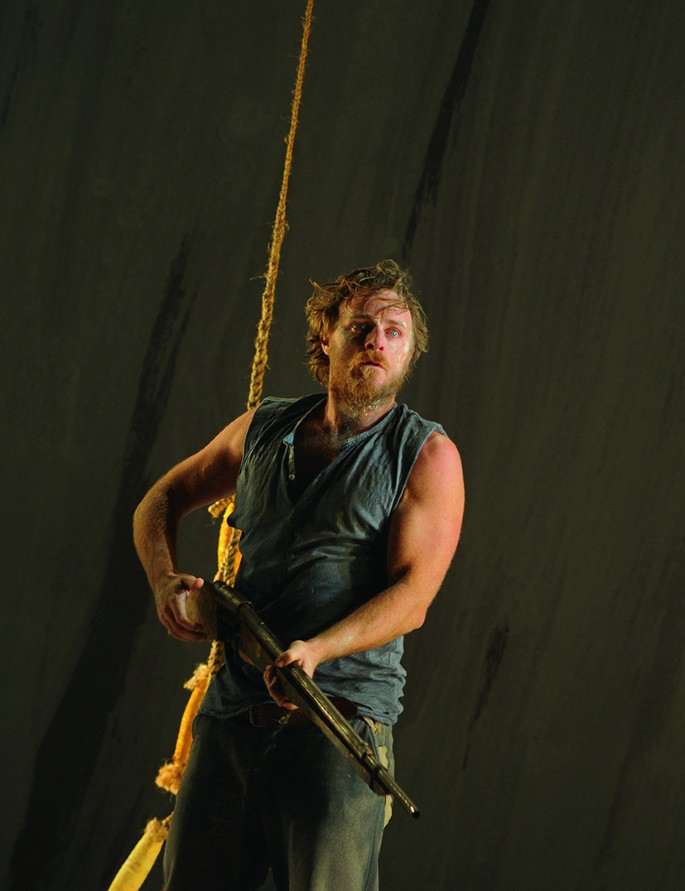
Bovell effectively represents the frontier violence that occurred between the aboriginal people and the British colonists. Reflecting the breakdown in communication and contrasting cultural and moral views. Bovell constructs the hostile and violent atmosphere when Smasher said,
“Tell your husband to keep a whip at hand”
Using Foreshadowing, Bovell Highlights the brutal violence that was soon to occur. Highlighting the conflict that started as small arguments and disagreements but quickly fell to horrific violence and massacres. Bovell further coneys the violence that occurred in early settlement when loveday says,
“The black natives of the colony have manifested a strong and sanguinary spirit of animosity and hostility towards the British inhabitants.’ Meaning they stick a spear in you any chance they get."
Bovell employs colonial justification portraying the constant exaggeration and gossip that quickly spread through early settlements in Australia. The colonists often framed the aboriginals as vicious bloodthirsty people and used it as an excuse to commit murder. In reality, there was a breakdown in communication and the Indigenous people were just defending their homeland.
“Put it plain, we may now shoot the buggers whenever we damm well please”
Utilising colloquialism Bovell reveals the causal and diminishing language that the settlers used to avoid guilt and excuse their atrocities. Exemplifying the early settlers newfound status and power that was once non-existent in London. Bovell reflects the effect of settlement in the Hawkesbury and the results of breakdowns in communication When Dhirrumbin says
“the shot had done other damage to, that left one leg dragging and something wooden about his face so that it showed nothing: no pleasure no pain.”
Using narration Bovell illustrates the horrendous effects of the colonialism of Australia. Bovell reflects the position of power that the colonists have gained over the Aboriginal people. The Thornhills were once asking the Dharug for food but after the mass murder, Ngalamalum is injured and is now in a place where is asking the Thornhills for essential items to survive. Revealing the dramatic shift in power and the total loss of humanity. Bovell successfully represents the frontier violence that occurred in early British of Australia, criticizing the breakdown in communication and lack of morality.
In a environment ruled by survival were the British the true savages?
The long lasting effects of British invasion
Bovell explores Australia’s undocumented past reflecting the complex relationship between the aboriginal Dhurug and the British colonisers, Provoking an emotional reflection of Australia’s early colonial settlement. Bovell Utilises The Secret River to unveil Australia’s dark undocumented past, while reflecting the true indigenous culture that is all too often misunderstood. Ultimately, Bovell provokes the audience to reflect on the lack of morality and injustice that the Indigenous people faced causing audiences to reconsider their ethical and moral perspectives.
Create Your Own Website With Webador